Author: Paul J Bruemmer

A recent Google patent associating an entity with a search query describes methods and systems for improving search engine results by associating specific entities (like businesses, people, or products) with relevant search queries.
The system identifies multiple search queries linked to a particular entity and determines which of these queries are most effective in yielding desired results. By refining the association between search queries and entities, the system can enhance the relevance and personalization of search results for users.
This technology is crucial in digital information retrieval as it ensures that users receive more accurate and contextually appropriate results based on the entities they are searching for, thereby improving the overall search experience.
Relevant Entities and How Your Plaintiff Law Website Can Benefit
Associating an entity with a search query can significantly improve how individuals seeking representation in a personal injury case find a suitable plaintiff attorney. When a search engine links specific queries related to personal injury, such as “car accident lawyer” or “slip and fall attorney,” to relevant entities (attorneys or law firms), it enhances the precision of search results. This ensures that users are connected with attorneys who specialize in their specific type of case.
For example, if a person searches for “best personal injury lawyer in New York,” the search engine can use entity association to identify top-rated attorneys or firms that match this query, based on factors like location, specialization, and client reviews. Additionally, the system can differentiate between general queries and those that are more specific, such as searching for attorneys with experience in traumatic brain injury cases, ensuring that the results are tailored to the searcher’s needs.
This method also helps users who may not know the legal terminology but are searching for representation. The system can understand their intent and provide results that connect them with experienced attorneys, thus streamlining the process of finding qualified legal representation.
By linking queries with relevant entities, this technology helps plaintiffs quickly and effectively find the right attorney to represent their personal injury case, improving access to justice.
The Importance of Associating Entities with Search Queries
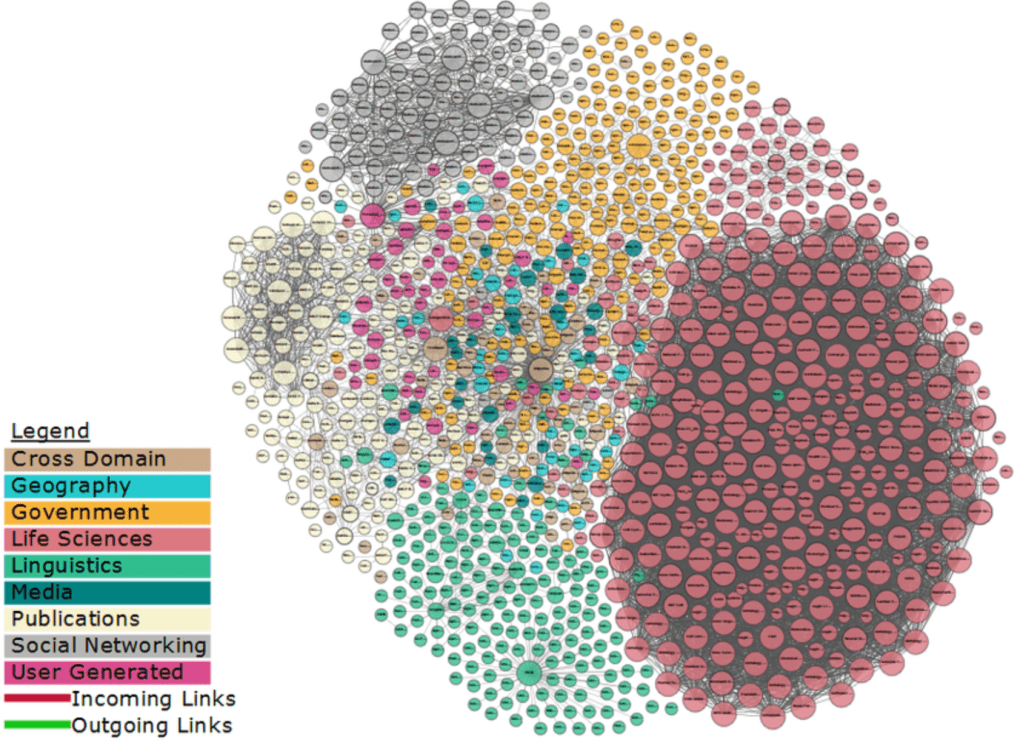
The patent on associating an entity with a search query is a critical advancement in the way search engines function, particularly for industries where matching the right search results with user intent is vital.
Bring this to the attention of your SEO firm. For plaintiff law firms, this technology is especially significant because it ensures that potential clients can easily find the legal representation they need. The ability to accurately connect search queries to specific entities (in this case, law firms or individual attorneys) is crucial for several reasons:
- Enhanced Visibility: By associating a law firm or attorney with relevant search queries, the likelihood of appearing in search results increases. This visibility is essential for attracting clients who are actively searching for legal assistance in specific types of personal injury cases.
- Improved User Experience: When potential clients search for legal services, they expect to find relevant and specialized attorneys quickly. Associating search queries with entities ensures that search results are more relevant, leading to a better user experience. This relevance is particularly important in legal contexts, where clients may have little knowledge of legal jargon and rely heavily on search engines to find appropriate counsel.
- Targeted Marketing: Law firms can leverage this technology to target specific types of cases by ensuring their entities (such as individual attorneys or practice areas) are associated with precise search queries. This targeted approach helps law firms attract the cases they are best equipped to handle, increasing their effectiveness and profitability.
How to Include Entities in a Plaintiff Law Website

To maximize the benefits of this patent for a plaintiff law website, it’s important to ask your SEO firm to strategically incorporate entities into the site’s structure and content. Here are key considerations to keep in mind:
Identify Key Entities
- Law Firm as an Entity: The firm itself should be established as a primary entity. This includes its name, location, areas of practice, and notable achievements. Search engines should clearly recognize the firm as an authoritative entity in the personal injury space.
- Individual Attorneys: Each attorney within the firm should be treated as a separate entity. This involves creating detailed profiles that highlight their expertise, case history, and specific areas of specialization (e.g., car accidents, medical malpractice).
Optimize Content Around Entities
- Practice Area Pages: Create dedicated pages for each practice area the firm specializes in, such as “Car Accident Lawyers” or “Slip and Fall Attorneys.” Ensure these pages are optimized with keywords that potential clients are likely to search for, linking them back to the relevant entities (the firm and its attorneys).
- Attorney Bios: Each attorney’s bio should be optimized for search engines by including keywords related to their specialization. For example, an attorney specializing in brain injuries should have terms like “brain injury lawyer” prominently featured in their profile.
- Case Studies and Testimonials: Including case studies and client testimonials linked to specific attorneys can further strengthen the association between queries and entities. For instance, if a client had a successful outcome in a product liability case, this should be linked to the attorney who handled the case.
Leverage Structured Data
- Schema Markup: Implement structured data (schema markup) on your website to help search engines better understand and categorize the entities. For example, use the “Organization” schema for the law firm and the “Person” schema for individual attorneys. This helps search engines accurately associate the firm and its attorneys with relevant search queries.
- Local Business Schema: If the firm operates in specific geographic areas, use local business schema to enhance local SEO, ensuring that the firm appears in searches relevant to its location.
Consider User Intent
- Query Variations: Understand the different ways potential clients might search for legal services. This includes common queries like “best personal injury lawyer near me” or more specific ones like “experienced brain injury attorney.” Incorporating these variations into the site’s content helps align the firm’s entities with a wider range of search intents.
- Long-Tail Keywords: Focus on long-tail keywords that reflect specific needs, such as “attorney for spinal cord injury lawsuit.” These keywords are less competitive and can attract highly relevant traffic to the site.
Monitor and Adapt
- Analytics Tracking: Regularly monitor how the firm’s entities are performing in search results. Use tools like Google Analytics and Search Console to track which queries are leading to the site and whether they are converting into client inquiries.
- Continuous Optimization: Based on the data, continually refine the site’s content and entity associations. This might involve updating attorney bios with new case wins, adding new practice area pages, or adjusting keywords to match emerging search trends.
Conclusion
The patent for associating an entity with a search query offers a powerful insight for plaintiff law firms looking to enhance their online presence and connect with potential clients more effectively.
By strategically incorporating entities into a law firm’s website, firms can improve their visibility, attract more relevant cases, and provide a better user experience for those in need of legal services.
This technology, when properly implemented by your SEO firm, helps ensure that search engines deliver the most relevant results, allowing law firms to stand out in a competitive market and ultimately, connect with clients who need their expertise the most.



 Mastering the New Digital Landscape for 2030 and Beyond
Leave a comment