Author: Paul J. Bruemmer

In today’s digital age, where potential clients turn to search engines like Google to find legal services, mastering Search Engine Optimization (SEO) is crucial for plaintiff attorneys. Recently, a patent (US9342600B1) has revolutionized how search engines suggest queries based on user behavior, offering valuable insights for legal professionals. Here’s how plaintiff attorneys can leverage this patent to enhance their SEO strategies and attract clients who are already searching for their services.
Understanding the Patent: Enhancing Search Query Suggestions
The patent US9342600B1 outlines methods to identify related search query chains from historical data. This means search engines can better predict user intent and suggest relevant queries, improving the likelihood of users finding and clicking on relevant search results. For plaintiff attorneys, this translates into optimizing their online presence to align with these search behaviors, ultimately leading to increased visibility and client acquisition.

Actionable SEO Strategies for Plaintiff Attorneys
- Keyword Research and Optimization Start by conducting thorough keyword research using tools like Google Keyword Planner, SEMrush, or Ahrefs. Identify high-intent keywords that potential clients are likely to use when searching for legal services in your practice area (e.g., personal injury, employment law, medical malpractice).
- Long-Tail Keywords: Focus on long-tail keywords that reflect specific legal issues or questions potential clients might have (e.g., “best personal injury lawyer in [city]”, “how to file a wrongful termination claim”).
- Local SEO: Include geo-specific keywords to attract clients in your local area (e.g., “divorce lawyer in [city]”, “employment attorney near me”).
- Optimize Content: Integrate these keywords naturally into your website content, including landing pages, blog posts, service pages, and FAQs. Ensure content is informative, answers common legal questions, and addresses client concerns.
Content Marketing Create high-quality, informative content that addresses legal issues relevant to your practice areas. This can include:
- Blog Posts: Regularly publish blog posts that discuss recent legal developments, case studies, client testimonials, and practical legal advice. Use the insights from the patent to guide topics that align with user search behaviors.
- Videos and Webinars: Engage potential clients through video content that explains legal processes, provides insights into your expertise, and answers common legal questions. Webinars can also establish you as an authority in your field.
- Optimize Multimedia: Ensure videos are optimized with relevant keywords in titles, descriptions, and tags. Transcribe videos to make content accessible to search engines and users.
User Experience and Website Optimization
- Mobile Optimization: With a significant portion of searches now happening on mobile devices, ensure your website is mobile-friendly and loads quickly.
- Clear Call-to-Actions (CTAs): Guide potential clients towards contacting you or scheduling consultations with clear and compelling CTAs throughout your website.
- Structured Data Markup: Implement structured data markup (Schema.org) to enhance how your website appears in search engine results, including rich snippets like reviews, ratings, and FAQs.
Local Listings and Directories
- Google My Business: Claim and optimize your Google My Business listing to improve local SEO. Ensure accurate business information, upload high-quality photos, and encourage client reviews.
- Legal Directories: List your practice on reputable legal directories like Avvo, FindLaw, and Justia. Optimize profiles with detailed information, client reviews, and links to your website.
Monitor and Adapt Based on Analytics
- Analytics Tools: Use Google Analytics and Google Search Console to monitor website traffic, user behavior, and keyword performance. Identify trends, popular content, and areas for improvement.
- A/B Testing: Experiment with different SEO strategies, content formats, and CTAs. Measure results to optimize for better conversion rates over time.
Conclusion
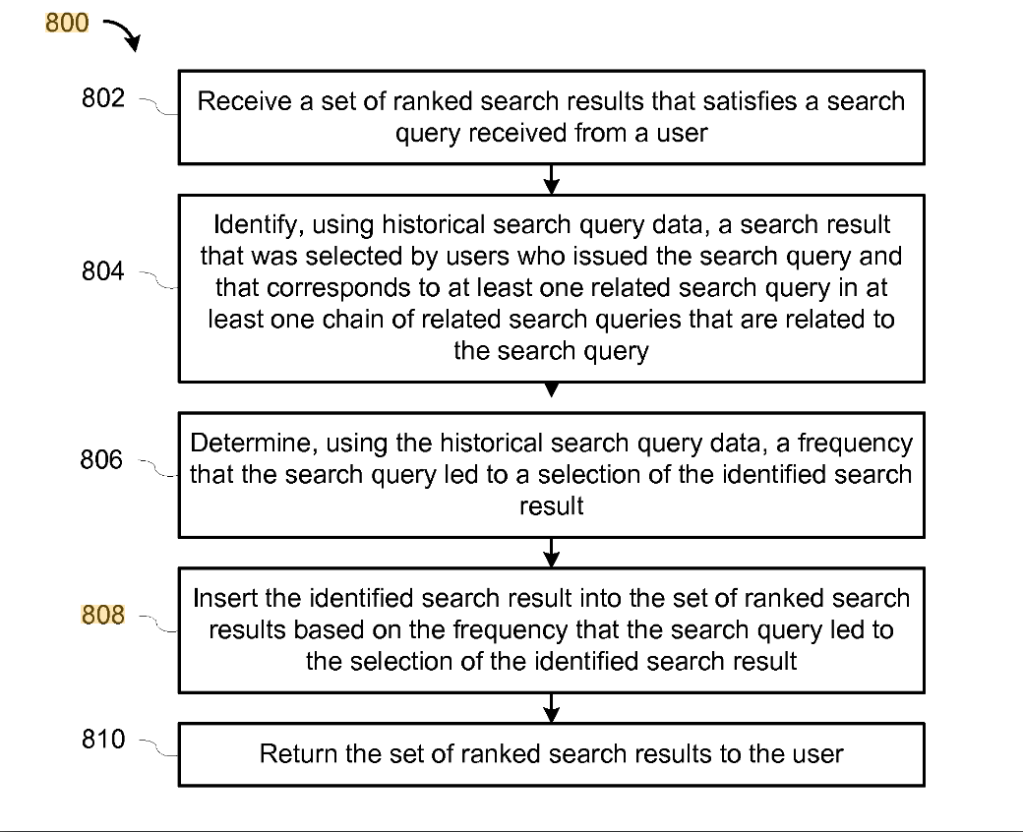
Mastering SEO for plaintiff attorneys involves understanding and adapting to user search behaviors, as outlined in the patent US9342600B1.
By implementing these actionable SEO strategies, attorneys can enhance their online visibility, attract clients who are actively seeking legal services, and improve conversion rates. Remember, SEO is an ongoing process that requires continuous monitoring, adaptation, and refinement to stay ahead in the competitive legal landscape.





 Mastering the New Digital Landscape for 2030 and Beyond
Leave a comment